


Modern Kitchen Cabinet Fixing Methods Explained
Fixing kitchen cabinets securely is one of the most important parts of any kitchen installation. Poor cabinet fixing can lead to movement, alignment issues, damaged walls, difficult adjustments and in some cases unsafe installations.
Over the years kitchen fitters have used many different methods to secure cabinets to the wall from traditional angle brackets and L brackets through to more modern adjustable systems designed to improve speed, access and accuracy.
Today professional installers are increasingly looking for kitchen cabinet fixings that allow cabinets to be fixed quickly while still giving flexibility for adjustment during installation.
Traditional Kitchen Cabinet Fixing Methods
Traditional kitchen cabinet fixing methods often rely on metal brackets fixed inside the cabinet or positioned behind the unit.
These fixing methods have been used for many years and are still common in many kitchens today. However they can create several challenges during installation particularly when access behind the cabinet is restricted.
One of the biggest frustrations for installers is trying to reach rear angle brackets once cabinets are pushed back against the wall. In tight spaces many fitters end up working one-handed behind units while trying to hold cabinet alignment at the same time.
Some of the most common methods include:
- Angle brackets
- L brackets
- Wall hanging brackets
- Direct screw fixing through cabinet backs
- Wooden battens and support rails
While these systems can work well many installers find traditional kitchen cabinet brackets difficult to access once cabinets are positioned against the wall.
Why Kitchen Cabinet Fixing Can Be Difficult
One of the biggest challenges when fixing kitchen cabinets is gaining access to the rear fixing area without damaging the cabinet or struggling in confined spaces.
Modern kitchens often include service voids to allow space for pipework, cables and uneven walls. While these voids improve installation flexibility they can also make traditional fixing methods awkward to use.
Professional fitters regularly deal with:
- Limited access behind cabinets
- Uneven walls
- Cabinet alignment issues
- Restricted drill access
- Difficult adjustments after fixing
- Time-consuming bracket positioning
This is one reason why many installers now prefer modern cabinet fixings that can bridge service voids while allowing easier front access during installation.
How Professionals Secure Kitchen Base Units
Professional kitchen fitters usually focus on three things when fixing base units:
- Strength
- Adjustment
- Speed of installation
A secure fixing system should allow cabinets to sit firmly against the wall while still allowing enough flexibility to level and align units accurately.
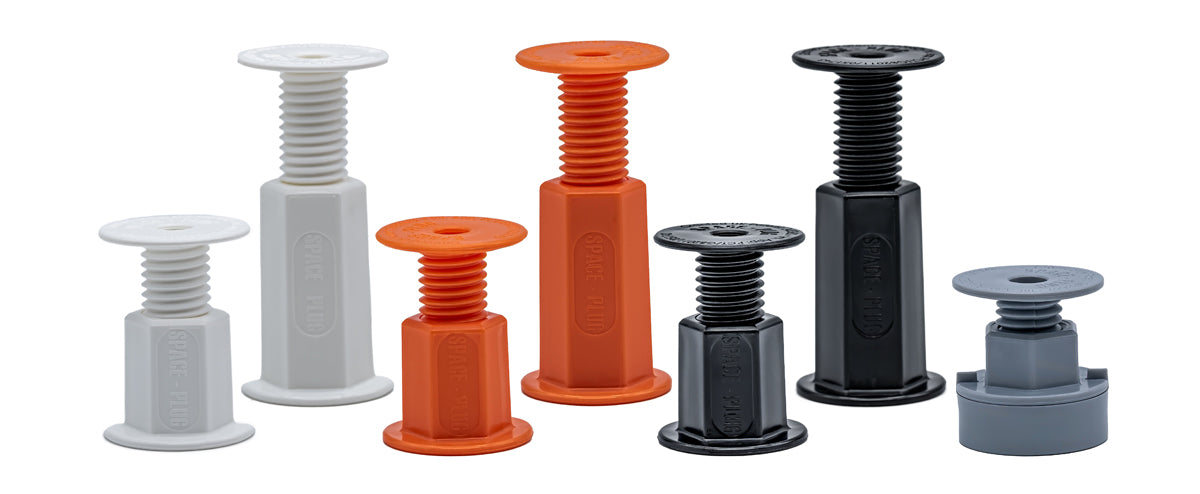
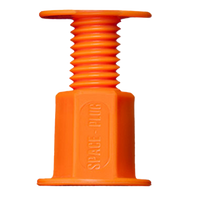
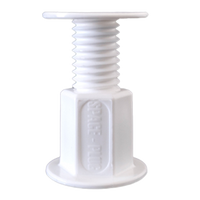
In many modern installations fitters now use adjustable fixing systems that reduce the need to reach awkwardly behind cabinets during fitting.
Modern fixing systems are designed to reduce the amount of time spent reaching behind cabinets repositioning brackets and making repeated adjustments during long kitchen runs.
These systems can also help installers maintain cleaner cabinet alignment while working faster across multiple units.
Wall Anchors and Furniture Safety
Secure fixing is not only important for kitchens. Across the furniture industry installers and homeowners are increasingly aware of the importance of using proper furniture wall anchors and secure fixing methods.
Incorrectly fixed furniture can become unstable over time particularly on uneven walls or in high-use environments.
Whether installing kitchen cabinets wardrobes or fitted furniture choosing the correct fixing method is essential for long-term safety and stability.
Many people searching for ways to attach furniture to wall safely are now moving away from basic brackets and looking for fixing systems that allow better adjustment and stronger installation performance.
Modern Alternatives to Traditional Kitchen Cabinet Brackets
As kitchen installation methods have evolved many fitters have started moving away from traditional rear angle brackets and towards fixing systems designed specifically for modern service void installations.
Modern systems can provide:
- Faster installation
- Improved adjustment
- Better fixing access
- Cleaner cabinet alignment
- Reduced fitting frustration
For installers comparing fixing methods this kitchen cabinet brackets guide explains the different types of brackets and modern alternatives available today.
Choosing the Right Kitchen Cabinet Fixing Method
The best kitchen cabinet fixing method depends on several factors including cabinet design, wall condition, installation speed requirements and the amount of adjustment needed during fitting.
Traditional brackets may still suit some installations but many modern fitters are now choosing adjustable fixing systems that make installation faster and easier while improving access during fitting.
As kitchens continue to evolve modern kitchen cabinet wall fixings are increasingly focused on flexibility, adjustment and installer efficiency rather than simply securing cabinets to the wall.