


Hey There! It's Cliff Petit - Let's Talk Wall Anchors for Bookcases
Hey everyone, Cliff Petit here! Inventor of the Space-Plug. I wanted to chat with you about something really important but often overlooked—anchoring your bookcases. If you've got kids, pets, or even if you're just a bit clumsy like me, securing those tall, heavy bookcases is a must. Let's dive into why this is crucial and how my favorite little invention, the Space-Plug Adjustable Spacer Fixing, can make the whole process a breeze.

Why Bother with Wall Anchors?
Safety First
Alright, let's get real—an unsecured bookcase is an accident waiting to happen. Kids love to climb, pets love to jump, and even an accidental bump can send your bookcase toppling over. The Consumer Product Safety Commission (CPSC) has loads of scary stats on injuries caused by furniture tip-overs. Anchoring your bookcases is one simple step to prevent these accidents and keep everyone safe.
Unsecured bookcases can pose significant hazards in a home. For example, a child might climb up a bookcase to reach something on a higher shelf, not realizing the danger. If the bookcase isn't anchored, it can tip over, leading to serious injury or worse (let's not even imagine!). Similarly, a playful pet could knock against an unstable bookcase, causing it to fall. These scenarios might sound extreme, but they happen more often than you might think. Properly securing your furniture is a straightforward way to help reduce the risk of such incidents in your home.
Legal and Insurance Stuff
In some places, anchoring heavy furniture is more than just good practice; there may be local rules or requirements around securing furniture. Your landlord, property manager or insurer may also have requirements or guidance worth checking. So, not only are you keeping your loved ones safer, but you're also covering your bases.
This is especially relevant in areas prone to earthquakes, where securing furniture can help prevent injuries during seismic activity. Requirements can vary depending on where you live and the type of property involved, so if you're unsure, it's always worth checking the rules that apply in your area.
Protecting Your Treasures
Beyond the safety aspect, think about all the stuff on your bookcases—books, family photos, maybe even some electronics. Anchoring your bookcase helps ensure that all your precious items stay put and don’t end up in a pile on the floor.
Bookcases are often filled with valuable or sentimental items. A sudden tip-over can lead to broken heirlooms, damaged electronics, and torn books. Anchoring your bookcases helps to preserve these items by keeping them securely in place. It's not just about preventing a mess—it's about protecting the things you care about.
What’s Space-Plug Adjustable Spacer Fixing Wall Anchors?
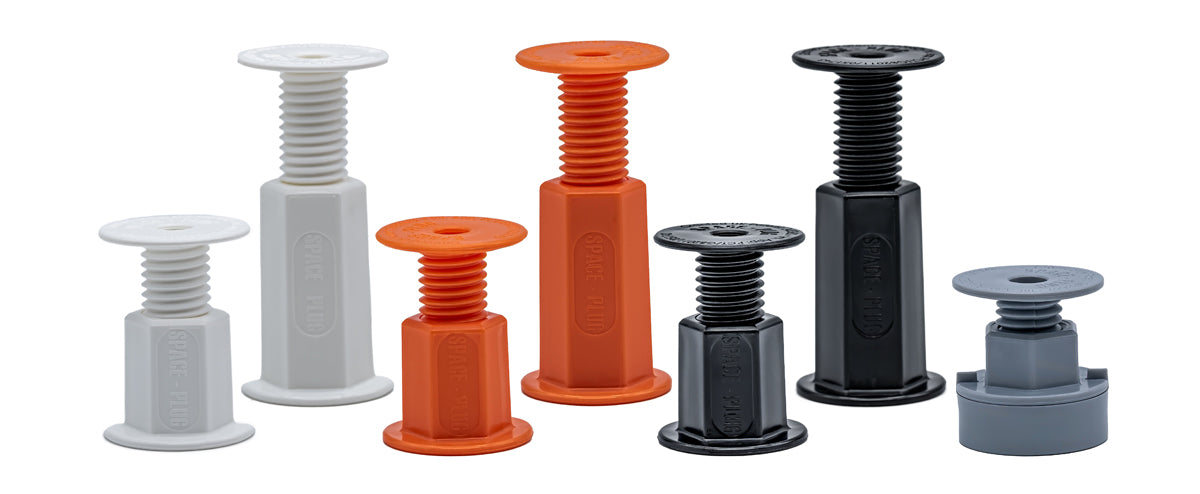
So, I created the Space-Plug to make this whole anchoring thing easier and more foolproof. It’s an adjustable spacer fixing that helps you secure furniture to walls without the hassle. Let me tell you why it is so popular!
Space-Plug is designed to address the common issues people face when anchoring furniture. It provides a simple, effective solution that works in a variety of situations. Space-Plug can help you get the job done quickly and securely.
Cool Features
Adjustability: You can expand or shrink the size of the Space-Plug, so you can tweak it to get the perfect fit between your bookcase and the wall over obstacles like baseboards.
Easy to Use: No need to be a DIY pro. If you can handle a drill and screwdriver, you’re good to go.
Versatile: It can be used in installations involving different wall types and furniture, but please note your furniture needs a suitable solid structural fixing point. No matter what wall anchor you choose, it is only as strong as what you are fixing it to!
Durable: Made from top-notch materials, it’s built to last.
The adjustability of Space-Plug is one of its key features. Traditional wall anchoring methods can be tricky to position perfectly, but with Space-Plug, you can make fine adjustments to ensure a snug fit anywhere on a suitable structural part of the furniture. This makes the installation process much simpler and more precise.
Why Space-Plug Should Be Your Choice as a Wall Anchor for Your Bookcase
Safety Upgrade
With Space-Plug, you can create a solid connection between your bookcase and the wall when it's installed with the appropriate furniture and wall fixings. Peace of mind, folks!
Space-Plug provides a practical way of bridging the gap between a suitable structural fixing point on your bookcase and the wall, helping you create a secure furniture restraint installation.
Super Simple Install
Traditional anchoring jobs can be a pain, right? Space-Plug makes it so much easier. You can adjust it to get the perfect fit, so there’s much less guesswork.
Installing Space-Plug is straightforward. You don't need any special Space-Plug-specific tools or advanced DIY skills to get the job done. The adjustability means you can achieve a snug fit without having to repeatedly pack out the gap behind the furniture.
Looks Good
We’ve all seen those ugly, messy anchor jobs. Not with Space-Plug. It sits behind the furniture, helping keep the installation neat and tidy so your bookcase still looks great.
A discreet installation is another advantage of using Space-Plug. Once the bookcase is back in position, the fixing is largely concealed behind the furniture.
Works with Different Wall Types
Whether you've got drywall, plaster or masonry, the important thing is choosing an appropriate wall anchor or fixing for the wall construction.
Space-Plug bridges the gap between the furniture and the wall; the wall anchor is what provides the fixing into the wall. That means the same Space-Plug principle can be used in lots of different situations, provided the furniture and wall fixings are suitable.
How to Use Space-Plug to Anchor Your Bookcase
What You’ll Need
- x2 Space-Plug Adjustable Spacer Fixings
- x2 suitable long screws
- x2 wall anchors or fixings appropriate for your wall type
- Drill and appropriate drill bit
- Screwdriver or driver
- Level
- Pencil or marker
- A suitable method of checking for hidden pipes, cables and other services before drilling
Please note: Space-Plug is only suitable where the furniture has an appropriate structural fixing point, such as a solid back, structural rail or suitable cross-brace. A thin decorative backing panel should not automatically be treated as a suitable structural fixing point.
Step-by-Step Guide
Empty Your Bookcase: Get everything off the shelves so it’s easier to move around.
Position Your Bookcase: Place it where you want it and make sure it’s level.
Mark Your Spots: Use a pencil to mark where you’ll be anchoring the bookcase to the wall, preferably near the top of the bookcase and through a suitable structural section.
Install the Wall Fixing: Prepare the fixing point using the correct method for your wall construction and chosen screw or wall anchor. If you're unsure which fixing is suitable, ask someone suitably experienced.
Attach Space-Plug: Place the Space-Plug in the gap so one end sits against the suitable structural fixing point on the bookcase and the other against the wall.
Secure to the Wall: Adjust the Space-Plug by turning the two parts to create a snug fit between the bookcase and wall. Take your long screw and pass it through the structural part of the bookcase, through the center of the Space-Plug and into the prepared wall fixing. Tighten as required to secure the bookcase.
Final Check: Make sure everything’s level and secure.
Let's dive into each step a bit more to ensure you get the best possible result.
Step 1: Empty Your Bookcase
Before you start, it's important to remove all items from your bookcase. This makes it easier to move the bookcase and reduces the risk of damage to your belongings. Plus, an empty bookcase is lighter and safer to handle.
Step 2: Position Your Bookcase
Place the bookcase in its desired location. Use a level to ensure that it's standing straight. An uneven bookcase may not sit or load as intended, so take your time to adjust the position until you're happy with it.
If the baseboard leaves a gap behind the bookcase, don't pull the furniture backwards just to close the gap. Leave the bookcase in the position where you actually want it — that's the gap Space-Plug is designed to bridge.
Step 3: Drill Once
With the bookcase in position, identify a suitable structural fixing point on the bookcase and the corresponding position on the wall.
Where the installation method allows, you can drill through the structural part of the furniture and continue into the wall so the holes line up accurately.
Always check that the wall is safe to drill into first. You don't want to drill into pipes, electrical cables or other hidden services.
Step 4: Insert the Appropriate Wall Fixing
Choose an appropriate wall anchor or fixing for your wall type and the screw you're using. What works for drywall may be different from what's needed for masonry, timber framing or another wall construction.
If you're not sure which fixing to use, get advice from someone suitably experienced.
Step 5: Insert the Space-Plug
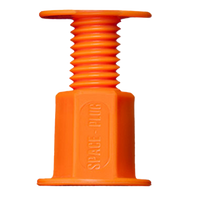
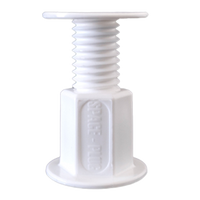
The Space-Plug is a bit like those adjustable feet you get on the bottom of kitchen cabinets. The gap between the wall and the back of the bookcase is where you need to place the Space-Plug, lined up with the holes you have previously drilled.
Turn the two parts of the Space-Plug to make it the correct size to fill the gap. Then pass your long screw through the structural part of the bookcase, through the center of the Space-Plug and into the prepared wall fixing.
Tighten the screw as required so the Space-Plug bridges the gap and the bookcase is securely restrained without pulling the furniture backwards or distorting it.

Step 6: Final Check
After securing the bookcase, make a final check to ensure it's level and securely anchored. Check that the fixing is firm and that the furniture hasn't been pulled out of position. If anything doesn't look or feel right, make the necessary adjustments before loading the shelves again.
Keep It Safe
After you’ve anchored your bookcase, do a quick check every now and then to make sure everything’s still secure. Spread the weight evenly on the shelves, and remind the kids not to climb or hang on the furniture.
Tips for a Perfect Installation
Take Your Time
Rushing through the installation process can lead to mistakes. Take your time to measure and mark accurately, and double-check your work at each step. A little extra effort upfront can save you from having to redo the job later. If you're unsure about anything, consult with an expert or someone who has experience.
Use the Right Tools
Using the right tools can make the job much easier. Make sure you have a good quality drill, screwdriver or driver, and level. If you don't have the tools you need, consider borrowing or renting them. Having the right equipment on hand can make a big difference to the installation.
Common Mistakes to Avoid
Skipping the Level
One common mistake is skipping the step of leveling the bookcase. Always use a level to make sure the furniture is standing as intended before you start drilling.
Using the Wrong Wall Fixing
Using the wrong type of wall anchor or fixing can result in a weak installation. Make sure you choose the right fixing for your wall construction and the installation you're carrying out. If you're not sure what to use, ask someone suitably experienced or use a professional installer.
Overloading the Shelves
Even with an anchored bookcase, it's sensible to think about how you load the shelves. Follow the furniture manufacturer's guidance, distribute weight sensibly and avoid making the bookcase unnecessarily top-heavy.
Advanced Tips and Tricks
Using Multiple Space-Plugs
Depending on the size, design and fixing points of the bookcase, you may choose to use more than one Space-Plug so the furniture can be restrained at multiple suitable fixing points.
The number and position of fixings should suit the furniture, wall construction and restraint method you're using.
Securing Multiple Bookcases
If you have multiple bookcases lined up against the same wall, think about each unit individually. Each bookcase needs appropriate restraint based on its own construction, position and suitable fixing points.
Regular Maintenance
After the initial installation, it's worth performing occasional checks to make sure everything remains secure. Check the fixing points and Space-Plugs periodically and make any necessary adjustments if something has moved or loosened.
Testimonials
So easy, great invention
Excellent 2 bits of plastic, so simple to adjust and tightening screws doesn't de-form them.
Genius
It so simple and so useful. These guys got a really good brain. I love also the color and the quality. What a great product. Genius!!
Simple to use
These really are a simple but excellent and useful product for attaching floor units to a wall - particularly on uneven floors.
Space Saver!
Plugs the gap between bookcase and wall no problem. Its like an adjustable foot which you run a long screw through the middle and then tighten up to secure the fixture to the wall.
Conclusion
So, there you have it! Anchoring your bookcases to the wall is a sensible precaution, and using the Space-Plug Adjustable Spacer Fixing can make dealing with that awkward gap behind the furniture much easier. Whether you’re protecting your family, your belongings, or just making sure everything looks neat and tidy, Space-Plug gives you a simple way to bridge the gap between suitable furniture and the wall.
If you think Space-Plug is right for your installation, you can see our furniture anti-topple fixing options here or browse the full Space-Plug range.
Stay safe out there!
Catch you next time,
Cliff.